Mental Fitness | Keynote Speaker & Student Mental Health Programs
Mental Fitness Keynotes & Programs
Assemblies, conference keynotes, and workshops that give students practical tools for pressure, self-talk, and decisions, in language they actually connect with.

School Programs & Assemblies
Students don't need another lecture about what not to do. They need practical tools for what to do when pressure, comparison, and pain show up before they know how to handle it.
Sam brings Mental Fitness into schools through assemblies, classroom sessions, and freshman orientations. It's built on his own story and it's real, honest, and immediately usable. Whether it's a single assembly or part of an ongoing SEL initiative, students leave with more than inspiration. They leave with tools.
“The biggest thing that stood out to me was his message about not letting what other people say define us, and not letting our own thoughts define us either.”Trey, Student · Carmel Catholic High School
Keynotes & Workshops
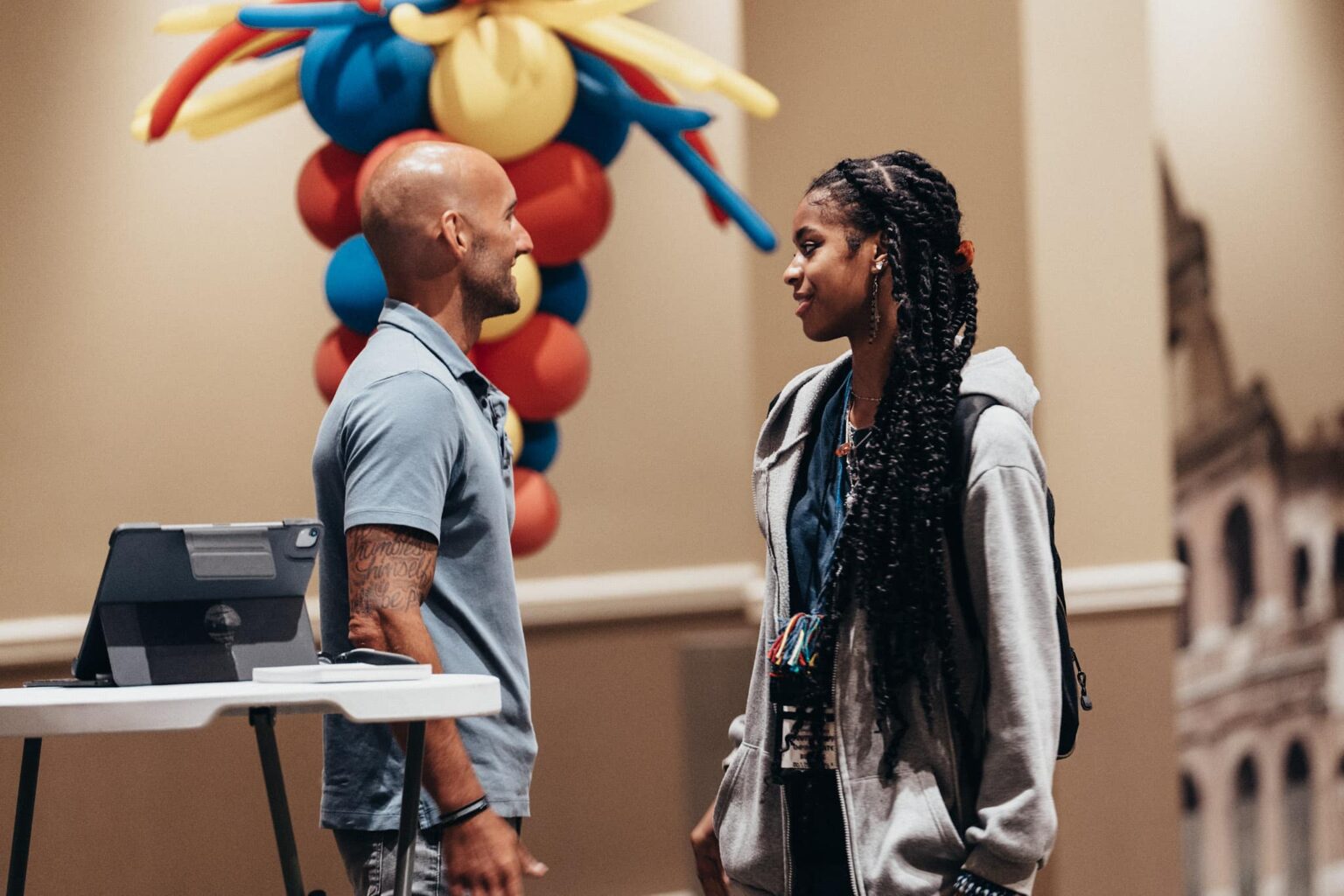
Youth conferences and student leadership events need a speaker who can hold a room of hundreds and still make it feel personal. Sam does both.
He delivers keynotes and breakout sessions for student conferences, prevention coalitions, and advisor trainings. Sessions combine storytelling, audience interaction, and practical strategy, because a framework only matters if people still remember it after the conference is over.
“Sam did not deliver a canned motivational speech. He created an experience that was real, engaging, and deeply relevant to the prevention work we do at TTI.”Barry E. Cooper, M.S., CEO, JACOA · Tennessee Teen Institute
One system. Four tools.
Every Mental Fitness session teaches the same system, so your audience leaves with shared language they can use right away.
I Am
Replace toxic self-talk with language that builds identity. The words after "I am" shape who you're becoming.
Gateway Behaviors
Understand how small choices build into patterns, and recognize them early, before they turn into deeper struggles.
Catch → Check → Choose
Catch the thought as it happens. Check whether it's true or helpful. Choose the next best response.
R.E.P.S.
Practice consistently, because knowing a strategy isn't the same as training it.
Built around your schedule.
Assembly Keynote
The full Mental Fitness system for a whole-school or whole-grade audience.
Breakouts & Workshops
Smaller, interactive sessions that go deeper on one tool with a single group.
Staff & Advisor Sessions
Training for the adults, so the language continues after Sam leaves.
Freshman Orientation
Start the year by giving new students tools for the pressure ahead.
“Sam doesn’t just deliver a presentation, he offers a life-changing experience from the stage.”The NEXT Network
The reps continue after the event ends.
One talk starts the training. These keep it going.
The Mental Fitness Workbook
Two versions, student-friendly or extended edition, so students keep practicing the strategies long after the talk.
Curriculum Integration
A 12-week program, self-guided or classroom-ready, that fits alongside your existing SEL work.
Workshops & Ongoing Training
Virtual follow-up sessions and train-the-trainer programs for staff and advisors.
Trusted by schools, universities & youth organizations


The same training, built for adults.
Sam also works with corporate teams and leadership groups, bringing practical, non-clinical tools for handling pressure and communicating better at work.
Train your mind before life tests it.
Send your event date, location, audience, and goals. Sam will follow up with the best fit and next steps.