
Training the Mind to Perform Under Pressure.
Practical reps for resilience, communication, leadership, and stronger decisions.
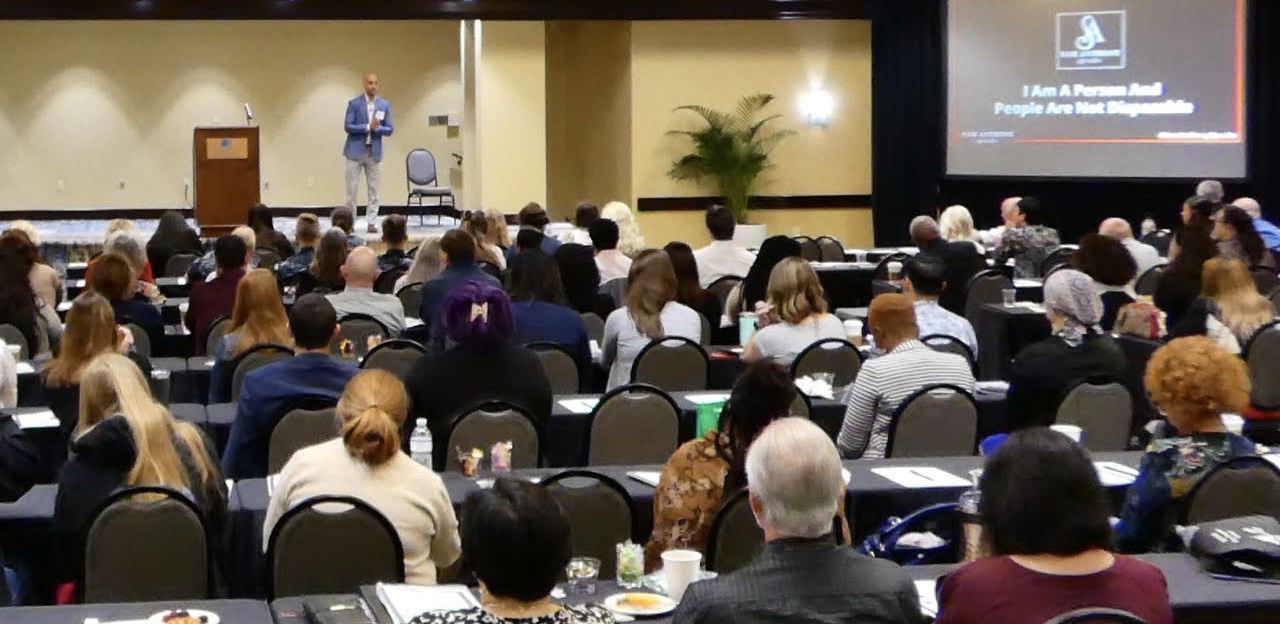
Performance as much as wellbeing.
Organizations lose capable people when they manage production without understanding the person producing it. Sam knows that from both sides, and he tells that story with full ownership of his own part in it.
Mental Fitness is skills-based prevention and performance training. It gives people a repeatable system for managing thoughts, emotions, communication, and pressure before those pressures start making their decisions for them.
Mental Fitness takes R.E.P.S.
High performers don't graduate from the basics. There's a difference between knowing what to do and doing what you know, and the whole keynote is organized around closing that gap.
Recognize
Notice what's happening in the mind, in behavior, and on the team before it controls the outcome: the words after "I am," the assumptions about what others think, and the small Gateway Behaviors that big problems start as.
Encourage
Use accurate language that gives direction. This isn't forced positivity. Emotions provide information, but they don't have to make the final decision.
Practice
One rep doesn't create lasting change. The rep didn't fail. It has to be repeated. This is where teams learn to fact-check their thinking with Catch → Check → Choose.
Support
Build the support that sustainable performance requires, and learn a better way to start a hard conversation: notice, ask, listen, and connect.
Catch → Check → Choose: fact-check the thought
People often react to a story they created instead of a fact they verified. This is the tool for slowing that down when pressure is high.
Tools they can use the same day.
- Recognize an unhealthy thought or Gateway Behavior before it runs the show.
- Use Catch → Check → Choose to respond with intention instead of reacting automatically.
- Use more accurate language under pressure instead of hype, shame, or all-or-nothing thinking.
- Identify the people and professional resources that belong in a personal support system.
- Choose one Mental Fitness rep to practice for the next seven days.
A message that connects people and performance.
The keynote ties employee wellbeing to decision quality, communication, leadership, retention, safety, and culture.
It makes mental health easier to talk about without turning managers into therapists or asking employees to share private experiences in public. A leader's job is to notice, ask, listen, and connect. Treatment and crisis response belong to qualified professionals and the resources your organization already has.
The same framework, built around your department.
Sam will never pretend to know everything it means to wear the uniform. What he brings is an understanding of pressure, isolation, identity, destructive coping, and what it costs to avoid asking for help, along with practical tools for what happens after a difficult call and how stress follows people home.
Every session points people to your department's own peer support, employee assistance, chaplain, and counseling resources.
Invest before pressure becomes turnover.
One in five adults in America has a diagnosed mental health condition. In a company of 500, that's 100 people walking through your doors every morning carrying one.
The workforce is asking for support, and the cost of ignoring it shows up as burnout, disengagement, and people leaving.
One rep. Seven days. That's where it starts.
Tell Sam about your team, your date, and what you want people to walk away with.